
Renewable Energy in Bangladesh: The Next Great Investment Story
For years, the country’s economic rise was powered by garments, infrastructure and manufacturing. Now, a quieter but potentially more transformative story is unfolding: renewable energy is becoming one of the most compelling frontiers for long-term investment. In many ways, this is no longer simply an energy conversation. It is an industrial strategy, an export strategy and, crucially, a foreign direct investment story.
The numbers alone explain the appeal. Bangladesh’s power demand is rising by roughly 7% every year, driven by urbanisation, industrial expansion and the aspirations of more than 170 million people. At the same time, renewable capacity has already crossed 1.5 GW, with solar accounting for the overwhelming majority. More than 6 million solar home systems—one of the world’s largest such networks—have already proven that the country can scale decentralised clean energy faster than many richer economies.
What makes this moment particularly investable is policy clarity. Bangladesh’s Renewable Energy Policy now targets 20% of electricity generation from renewables by 2030 and 30% by 2040, with some long-range planning documents stretching even further. These are ambitious goals, yes, but ambition is precisely what creates room for capital, innovation and first-mover advantage. (The Business Standard)
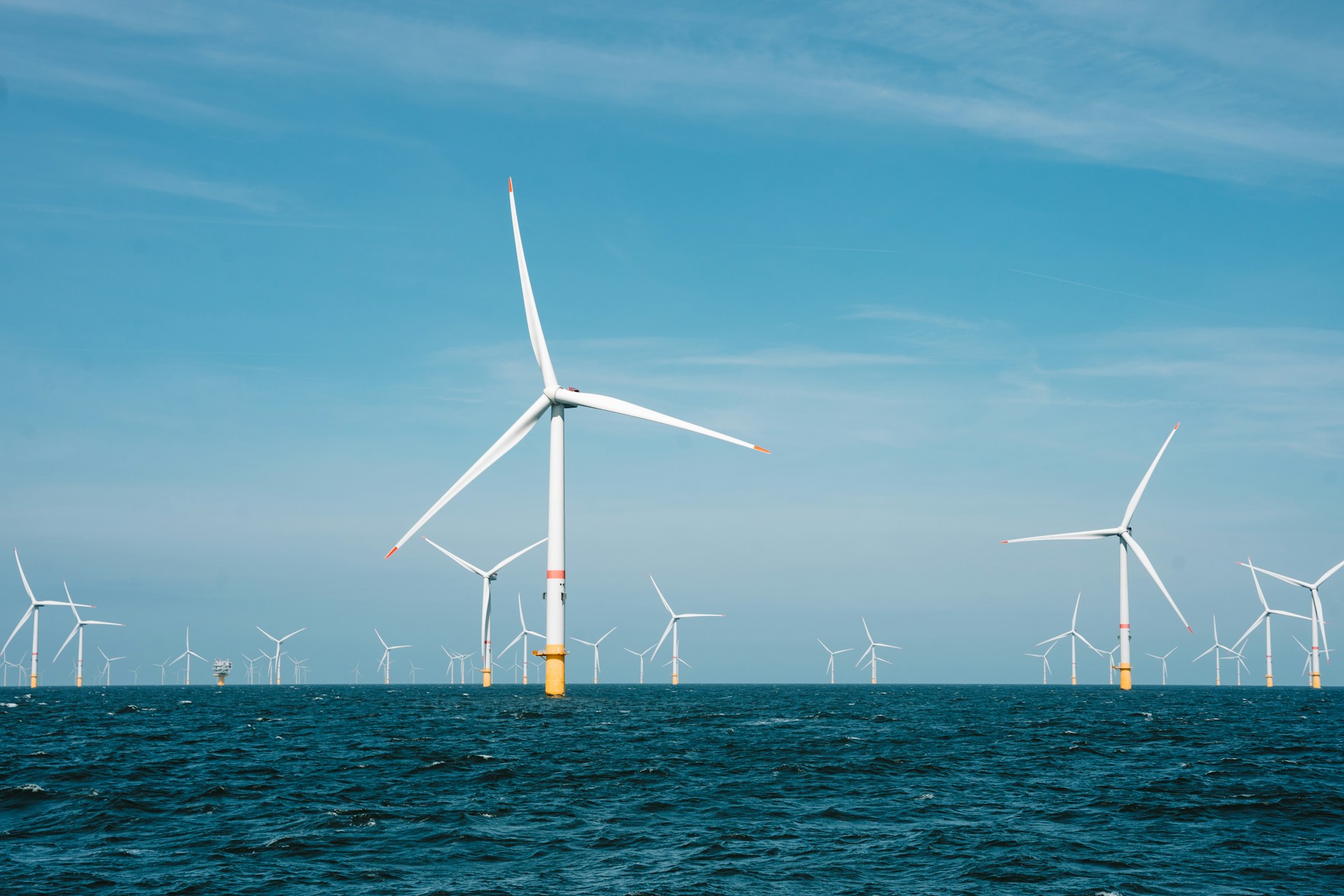
The opportunity spans far beyond utility-scale solar farms. Rooftop solar for export-oriented factories, floating solar on water bodies, solar irrigation, wind corridors along the coast, battery storage and smart-grid management all represent investable layers of the same ecosystem. For foreign investors, especially those experienced in grid optimisation, digital energy tools and climate finance, Bangladesh offers something rare: a large, underpenetrated market where demand is not theoretical but immediate.
This is where the investment case becomes especially persuasive.
Bangladesh’s Special Economic Zones and Export Processing Zones are increasingly aligned with green industrialisation. Ten-year tax holidays, duty-free import of renewable equipment and one-stop investor services reduce the friction that often deters early entrants in emerging markets. For multinational manufacturers facing decarbonisation pressure from global buyers—particularly in textiles, electronics and pharmaceuticals—renewable energy is fast becoming part of the cost of staying competitive, not merely a sustainability gesture.
There is also a geopolitical advantage. Bangladesh sits at the crossroads of South and Southeast Asian trade routes, offering investors not just a domestic market but a strategic energy-industrial base. As supply chains diversify beyond traditional hubs, clean power infrastructure will shape where factories, logistics parks and digital industries choose to expand.
The real promise, however, lies in timing.
Bangladesh is still early in its renewable transition. That means the land, partnerships and power purchase agreements that will define the next decade are being negotiated now. Early investors stand to benefit from long-term PPAs, carbon-credit pathways and strong demand from private industry buyers seeking reliable green electricity. In markets like this, the highest returns often go not to the largest players, but to those willing to move before the consensus forms.
The broader point is simple: renewable energy in Bangladesh is no longer a niche climate story. It is becoming central to the country’s next phase of economic growth.
For investors looking at Asia’s future, Bangladesh may well be one of the region’s most underappreciated green-energy bets—and perhaps one of its most rewarding.
Key Highlights
Industrial Rooftop Solar Demand
Bangladesh’s export-led factories, especially RMG, textiles, pharmaceuticals and electronics, are increasingly under buyer pressure to decarbonise. This is accelerating demand for rooftop solar, captive power and green PPAs, turning factories into immediate renewable off-takers.
Policy Incentives + SEZ Readiness
The combination of Special Economic Zones, tax holidays, duty-free equipment imports and BIDA’s one-stop services is reducing entry barriers for foreign developers, EPC players and blended-finance investors.
Bankable Long-Term Capital Need
The sector’s annual funding requirement of nearly $1 billion until 2030 creates strong room for DFIs, sovereign funds, Dutch climate investors, carbon markets and infrastructure private equity. In practical terms, Bangladesh is shifting from a policy market into a capital market.
Get in touch
and join us
Want to know more about how you can work together with Bangladesh to achieve your goals? Or how you can help contribute to or spread the word on campaigns, events and initiatives?
Contact us directly at info@NLinBD.com so we can help you connect to the right people.